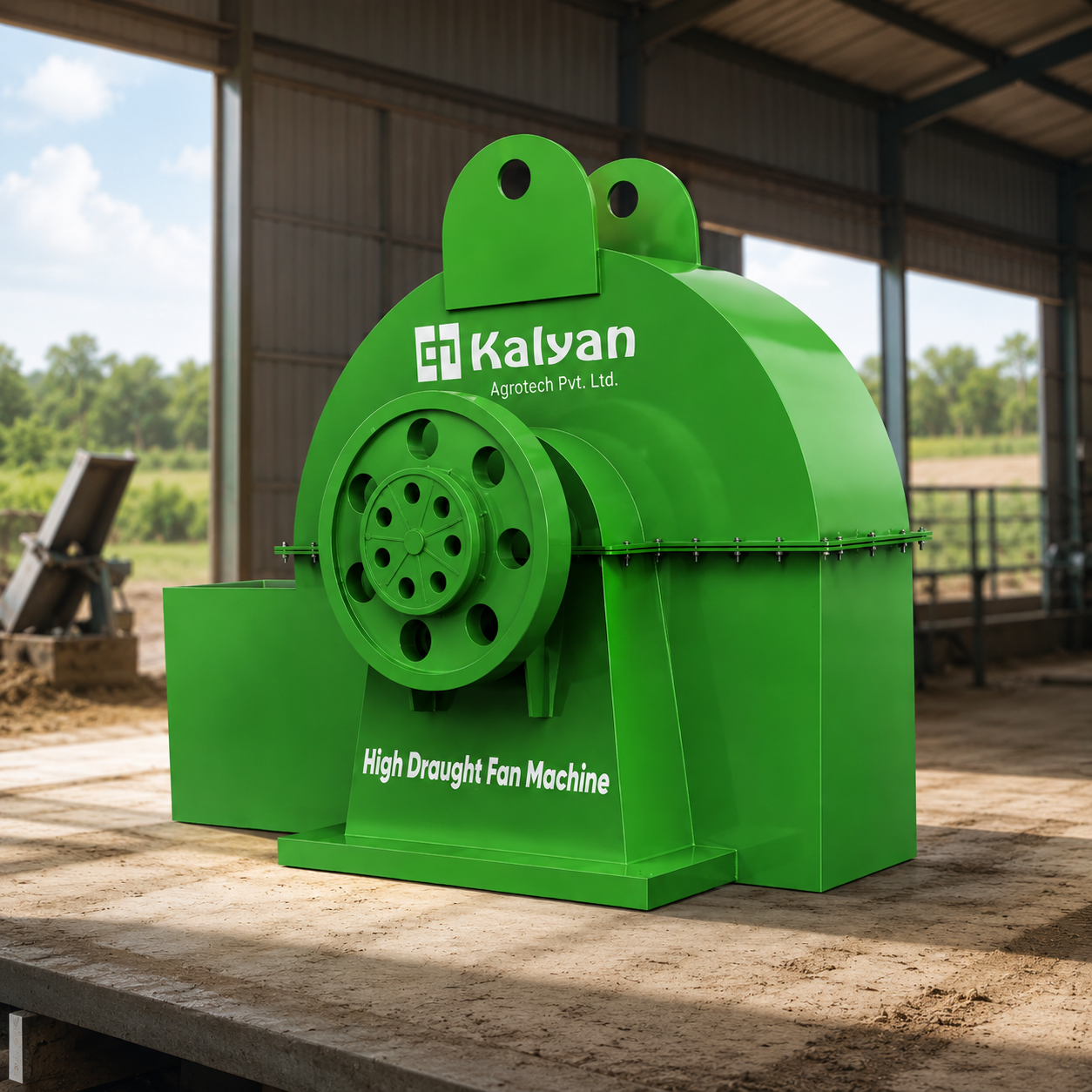


A high draught fan is an important piece of equipment used in brick kilns to maintain controlled airflow and support efficient combustion. Proper airflow helps distribute heat more effectively, regulate kiln temperature, and maintain smoother production.
For brick manufacturers, selecting the right brick kiln fan can help address common operational challenges such as inconsistent airflow, inefficient fuel burning, and poor temperature control.
In this guide, we will explain the major high draught fan benefits, how these fans work, and why they are useful for modern brick kiln operations.
What Is a High Draught Fan?
A high draught fan is an industrial air-moving system designed to generate strong and controlled airflow. In brick kilns, it helps supply air required for combustion and assists in moving hot gases through the kiln system.
A suitable industrial draught fan is built for demanding working environments where continuous airflow and reliable performance are important.
How Does a High Draught Fan Work?
The basic working principle of a high draught fan is straightforward.
The fan motor rotates specially designed blades at high speed. As the blades rotate, they generate pressure and move air through the connected ducting or kiln system.
The controlled airflow can help:
- Supply air for combustion.
- Improve circulation of heat.
- Support more consistent kiln temperatures.
- Move smoke and gases through the appropriate exhaust system.
- Maintain the required draught within the kiln.
The exact airflow and pressure requirements depend on the kiln design and operating conditions.
Key Benefits of High Draught Fans in Brick Kilns
- Improved Airflow
One of the main advantages of a high draught fan is its ability to generate strong and controlled airflow.
Consistent airflow helps distribute air throughout the kiln and supports stable combustion conditions.
- Supports Fuel Efficiency
Proper airflow is essential for effective combustion. When sufficient air reaches the combustion zone, fuel can burn more effectively.
A properly selected brick kiln fan can therefore support better fuel utilization. However, actual fuel savings depend on several factors, including fuel quality, kiln design, operating practices, and temperature control.
- Better Temperature Control
Maintaining a consistent kiln temperature is important for producing uniform bricks.
A high draught fan helps regulate airflow, which can contribute to more controlled heat distribution throughout the kiln.
- Supports Consistent Brick Quality
Uneven heating can affect the quality of fired bricks. Proper airflow helps create more stable combustion and heat circulation.
This can support more consistent firing conditions and reduce variations in finished brick quality.
- Helps Remove Smoke and Gases
A suitable draught system can help move smoke and combustion gases through the kiln’s exhaust system.
This supports better management of gases within the production environment.
- Supports Continuous Production
Brick kilns often operate for extended periods. A reliable industrial draught fan is designed to provide continuous airflow during demanding operating conditions.
Stable fan performance can help reduce interruptions caused by inadequate airflow.
- Heavy-Duty Performance
Brick kiln environments can be demanding, with high temperatures, dust, and continuous operation.
High-quality draught fans are generally designed with durable components to withstand industrial working conditions.
- Reduced Operational Challenges
Proper airflow management can make kiln operation easier by helping maintain combustion, heat circulation, and draught conditions.
This can reduce some of the common challenges associated with inconsistent airflow.
Why Airflow Matters in Brick Kilns
Airflow plays a critical role in the combustion process.
A simplified kiln process can be represented as:
Fuel + Air → Combustion → Heat → Brick Firing
If airflow is insufficient, combustion may become inefficient. If airflow is excessive or poorly controlled, heat distribution and fuel usage can also be affected.
This is why the draught system should be properly matched to the kiln’s design and operating requirements.
High Draught Fan vs. Regular Industrial Fan
A standard industrial fan and a high draught fan may both move air, but their applications can be different.
A high draught fan is specifically designed to generate the pressure and airflow required for applications such as brick kilns, furnaces, and other industrial heating systems.
When selecting a fan, manufacturers should consider:
- Required airflow
- Required pressure
- Kiln size
- Ducting arrangement
- Operating temperature
- Motor capacity
- Continuous operating requirements
Choosing a fan based only on airflow without considering pressure requirements may result in an unsuitable system.
Applications of High Draught Fans
Although widely used in brick kilns, high draught fans can also be used in various industrial applications.
Brick Kilns
They help maintain airflow and combustion conditions during brick firing.
Industrial Furnaces
High draught systems can support controlled airflow and heat circulation in industrial heating applications.
Ceramic Plants
They can be used as part of airflow and combustion systems in ceramic processing.
Heating Systems
Industrial heating equipment may require controlled airflow for combustion and exhaust management.
Factors to Consider Before Buying a High Draught Fan
Choosing the correct high draught fan is important for reliable kiln operation.
Airflow Capacity
Determine the amount of air required for your kiln and production capacity.
Static Pressure
The fan should be capable of overcoming the resistance created by ducting, kiln structures, and other connected components.
Motor Power
Select a motor suitable for the required airflow and pressure while considering the available electrical supply.
Operating Temperature
The fan and associated components should be suitable for the temperature conditions of the installation.
Construction Quality
For brick kiln applications, durable construction is important because of dust, heat, and long operating hours.
Maintenance Requirements
Choose a design that allows practical inspection, servicing, and replacement of wear components.
Maintenance Tips for High Draught Fans
Regular maintenance can help maintain reliable fan performance.
Important practices include:
- Inspect fan blades regularly.
- Check bearings and moving components.
- Keep dust accumulation under control.
- Inspect belts and couplings where applicable.
- Check motor performance.
- Monitor unusual vibration or noise.
- Follow the manufacturer’s lubrication schedule.
- Inspect electrical connections periodically.
Always follow the equipment manufacturer’s maintenance instructions for the specific fan model.
How High Draught Fans Support Brick Manufacturing
A brick manufacturing operation involves multiple stages, and kiln airflow is only one part of the overall process.
A simplified workflow is:
Clay Preparation → Brick Molding → Drying → Kiln Firing → Cooling
During the firing stage, a properly designed draught system can help maintain the airflow and combustion conditions required by the kiln.
Therefore, the performance of a high draught fan should be considered as part of the complete kiln system rather than as an independent component.
Conclusion
A high draught fan can play an important role in maintaining airflow, supporting combustion, improving heat circulation, and managing kiln operations.
For brick manufacturers, the right brick kiln fan can help create more consistent operating conditions and address common airflow-related challenges.
However, fan selection should always be based on the specific kiln design, airflow requirements, pressure requirements, operating temperature, and production capacity.
Investing in suitable industrial draught fan equipment and maintaining it properly can support reliable kiln performance and smoother brick production.
Frequently Asked Questions
What is a high draught fan used for?
A high draught fan is used to generate controlled airflow for combustion, heat circulation, and exhaust management in brick kilns and other industrial heating systems.
How does a high draught fan improve brick kiln performance?
It helps maintain controlled airflow, which can support stable combustion and more consistent heat distribution during brick firing.
Can a high draught fan reduce fuel consumption?
Proper airflow can support efficient combustion and fuel utilization, but actual fuel savings depend on kiln design, fuel quality, operating conditions, and other factors.
Where are high draught fans commonly used?
They are commonly used in brick kilns, industrial furnaces, ceramic plants, and other heating systems requiring controlled high-pressure airflow.
What should I consider when buying a high draught fan?
Consider airflow capacity, static pressure, kiln size, operating temperature, motor power, construction quality, and maintenance requirements.