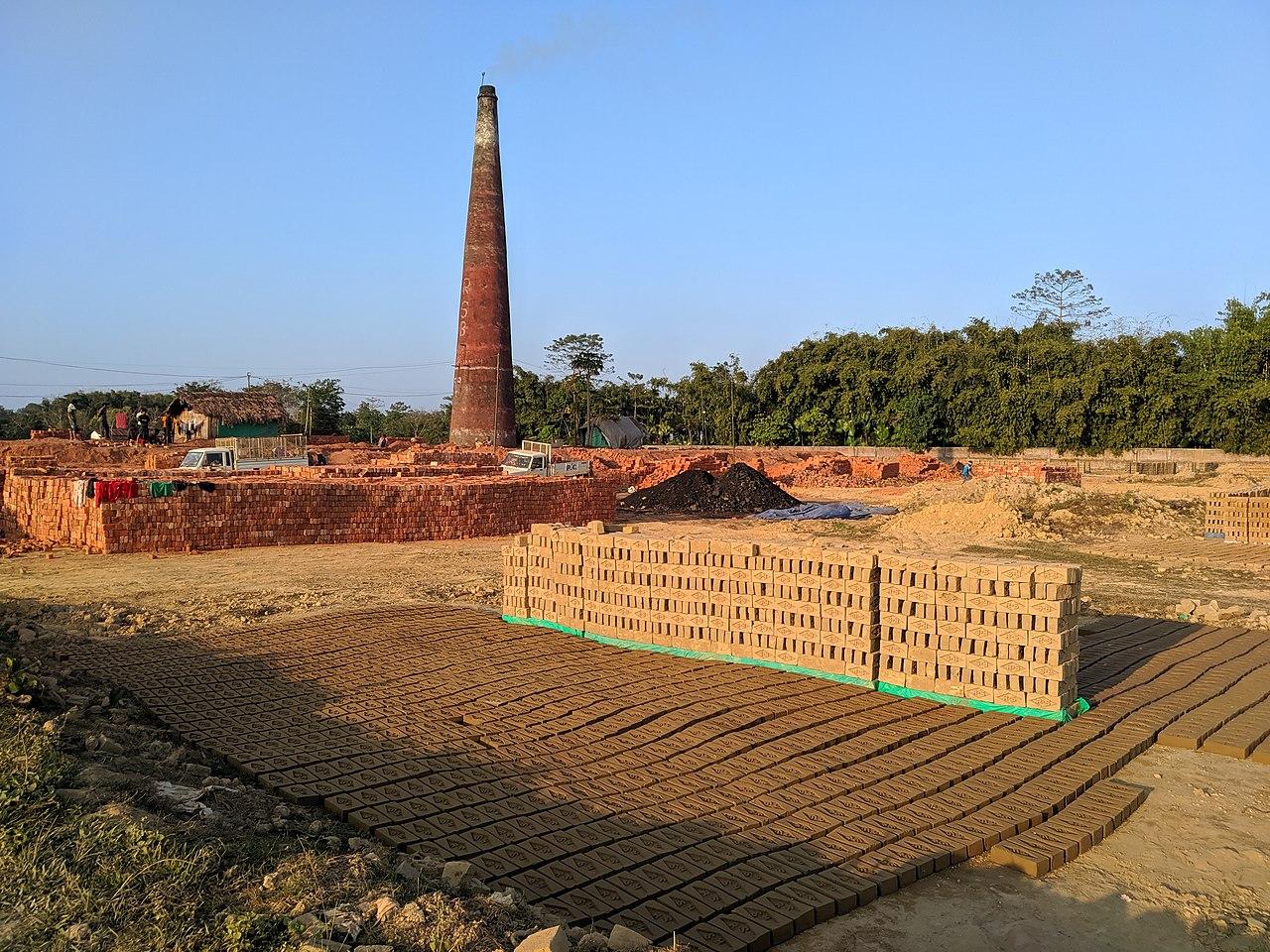


Brick manufacturing requires proper control over raw materials, clay preparation, moulding, drying, firing, and quality management. Even a small mistake at any stage can affect brick strength, appearance, dimensions, fuel consumption, and overall production efficiency.
Many brick manufacturers focus heavily on machinery and production capacity but overlook basic process-related issues. These problems can lead to common brick defects, higher wastage, inconsistent quality, and unnecessary production costs.
In this guide, we’ll discuss the most common brick manufacturing mistakes, why they happen, and practical ways to avoid them.
What Are Common Brick Manufacturing Mistakes?
Brick manufacturing mistakes are errors or inefficiencies that occur during raw material preparation, brick forming, drying, firing, handling, or quality control.
Some mistakes may appear minor, but when repeated across thousands of bricks, they can significantly affect production.
Common problems include:
- Poor clay preparation
- Incorrect moisture levels
- Inconsistent mixing
- Improper moulding
- Poor drying practices
- Incorrect kiln temperature
- Inadequate airflow
- Improper fuel management
- Poor material handling
- Lack of regular machinery maintenance
- Insufficient quality control
Understanding these issues is the first step toward improving brick production.
10 Common Brick Manufacturing Mistakes to Avoid
- Using Poor-Quality or Unprepared Clay
The quality of the raw material has a direct impact on the final brick.
Using clay without properly checking its composition, moisture, consistency, and suitability can result in inconsistent bricks and various brick defects.
Poorly prepared clay may contain:
- Large lumps
- Stones or unwanted particles
- Excess moisture
- Insufficiently mixed material
- Inconsistent particle distribution
How to Avoid It
Test and prepare the raw material before production. Proper crushing, grinding, mixing, and conditioning can help create a more consistent feed material.
- Skipping Proper Clay Preparation
One of the most important brick production tips is not to treat clay preparation as an optional step.
Clay generally needs to be processed before it reaches the brick-forming stage. Large lumps and inconsistent material can make moulding more difficult and affect brick uniformity.
Equipment such as a soil grinder machine and clay mixer or pug mill can help prepare the material for the next stage.
How to Avoid It
Create a consistent clay-preparation workflow:
Raw Clay → Grinding → Mixing → Moisture Conditioning → Brick Forming
Proper preparation can support better consistency throughout production.
- Maintaining Incorrect Moisture Content
Moisture plays an important role in brick forming and drying.
Too much moisture can make bricks difficult to handle and increase drying time. Too little moisture can affect moulding and may result in poor shape or cracking under certain production conditions.
How to Avoid It
Maintain consistent moisture conditions according to your clay characteristics and forming process. Monitor the material rather than relying only on visual judgment.
- Using Inconsistent Pressure During Brick Forming
The forming stage determines the shape and consistency of the green brick.
Uneven forming conditions can result in variations in:
- Brick dimensions
- Density
- Shape
- Surface finish
- Strength
These variations can later contribute to quality problems.
How to Avoid It
Use properly maintained brick-making equipment and maintain consistent operating conditions. Operators should also regularly inspect moulds and forming components for wear.
- Improper Drying of Green Bricks
Drying is one of the stages where manufacturers can encounter significant losses.
If green bricks are dried too quickly or under unsuitable conditions, they may develop cracks, warping, or other defects.
On the other hand, insufficient drying can leave excessive moisture before firing.
How to Avoid It
Follow a controlled drying process appropriate for the brick material and local environmental conditions.
Pay attention to:
- Air circulation
- Stacking arrangement
- Drying time
- Weather conditions
- Brick moisture
Proper drying helps prepare bricks for more consistent firing.
- Incorrect Kiln Temperature and Firing Conditions
Firing is a critical stage in brick manufacturing.
Insufficient or excessive firing can affect the final properties and appearance of bricks. Uneven heating can also result in variation between bricks from different areas of the kiln.
Potential problems can include:
- Under-fired bricks
- Over-fired bricks
- Uneven colour
- Cracking
- Deformation
- Inconsistent strength
How to Avoid It
Monitor kiln operating conditions carefully and maintain appropriate airflow, temperature distribution, and firing practices for the brick type and kiln design.
- Ignoring Kiln Airflow
Proper airflow is essential for efficient combustion and heat movement inside a brick kiln.
Poor airflow can contribute to uneven temperature distribution and combustion problems.
A suitable high draught fan can support controlled airflow in applicable kiln systems, but the actual performance depends on the kiln design, fan selection, fuel, and operating conditions.
How to Avoid It
Check the kiln’s airflow requirements and ensure that fans, ducts, and related components are correctly selected, installed, and maintained.
- Poor Fuel Management
Fuel is a significant operating factor in many brick manufacturing processes.
Using inconsistent fuel or failing to manage combustion properly can make it difficult to maintain stable firing conditions.
Poor fuel management may contribute to:
- Uneven firing
- Higher fuel consumption
- Temperature fluctuations
- Increased smoke
- Production inconsistency
How to Avoid It
Maintain consistent fuel quality and monitor combustion and airflow. A coal crusher machine, where appropriate, can help prepare coal to a more suitable size for specific kiln systems.
However, fuel performance depends on several factors, including fuel quality, kiln design, combustion conditions, and operating practices.
- Ignoring Machinery Maintenance
Brick manufacturing machinery operates under demanding conditions. Dust, clay, vibration, and continuous operation can cause wear over time.
Ignoring maintenance can eventually lead to:
- Unexpected breakdowns
- Production delays
- Uneven output
- Increased repair costs
- Reduced machine performance
How to Avoid It
Create a preventive maintenance schedule.
Regularly inspect:
- Bearings
- Belts
- Blades and cutting components
- Rollers
- Motors
- Electrical components
- Moulds
- Fasteners
Replacing worn components before major failure can help maintain production continuity.
- Not Maintaining Proper Quality Control
One of the biggest brick manufacturing mistakes is checking quality only after the entire production batch has been completed.
Quality should be monitored throughout the manufacturing process.
Important parameters can include:
- Dimensions
- Shape
- Surface appearance
- Cracks
- Colour
- Density
- Strength
- Water absorption
How to Avoid It
Implement quality checks at multiple stages:
Raw Material → Clay Preparation → Forming → Drying → Firing → Finished Brick
Early detection makes it easier to identify the source of a problem and reduce wastage.
Common Brick Defects and Their Possible Causes
Different manufacturing problems can produce different brick defects.
Brick Defect | Possible Contributing Factors |
Cracks | Improper drying, moisture variation, handling or firing conditions |
Warping | Uneven drying or forming conditions |
Uneven colour | Non-uniform firing or material variation |
Under-fired bricks | Insufficient firing conditions |
Over-fired bricks | Excessive firing conditions |
Irregular shape | Forming issues, mould wear, or material inconsistency |
Weak bricks | Raw material, forming, drying, or firing issues |
Surface defects | Material preparation or forming problems |
Note: A defect can have more than one cause, so manufacturers should investigate the complete production process rather than assuming a single cause.
How to Improve Brick Manufacturing Quality
Avoiding mistakes requires a systematic approach rather than focusing on only one machine or production stage.
- Improve Raw Material Preparation
Use suitable crushing, grinding, and mixing equipment to create consistent material before forming.
- Maintain Consistent Moisture
Monitor moisture conditions throughout clay preparation and forming.
- Maintain Your Brick-Making Machine
Regular inspection and preventive maintenance can reduce unexpected production problems.
- Improve Drying Practices
Control drying conditions and avoid unnecessarily rapid or uneven drying.
- Monitor Kiln Conditions
Maintain appropriate firing conditions and monitor temperature distribution.
- Maintain Proper Airflow
Ensure that the kiln receives the airflow required for effective combustion and heat movement.
- Train Operators
Well-trained operators can identify unusual machine behaviour, material inconsistencies, and production problems earlier.
- Record Production Data
Maintain records of:
- Raw material batches
- Moisture conditions
- Production quantities
- Fuel usage
- Defects
- Machine downtime
- Maintenance activities
These records can help identify recurring production issues.
A Better Brick Manufacturing Workflow
A systematic production workflow can help reduce avoidable errors.
Step 1: Raw Material Selection
Select and evaluate suitable clay or other raw materials.
↓
Step 2: Clay Grinding
Reduce lumps and prepare the material for effective mixing.
↓
Step 3: Clay Mixing
Mix the material and condition it to achieve suitable consistency.
↓
Step 4: Brick Forming
Use appropriate brick-making machinery to produce consistent green bricks.
↓
Step 5: Controlled Drying
Dry the green bricks under suitable conditions.
↓
Step 6: Kiln Firing
Maintain appropriate firing, temperature, fuel, and airflow conditions.
↓
Step 7: Cooling and Handling
Allow bricks to cool appropriately before handling and transportation.
↓
Step 8: Quality Inspection
Inspect finished bricks for dimensions, appearance, strength, and other required parameters.
This structured approach can help manufacturers identify problems before they become large-scale production losses.
Brick Production Tips for Manufacturers
Here are some practical brick production tips to improve consistency:
- Don’t compromise on raw material preparation.
- Maintain consistent clay moisture.
- Inspect moulds and forming components regularly.
- Avoid rushing the drying stage.
- Monitor kiln temperature and airflow.
- Use suitable fuel preparation methods.
- Schedule preventive machinery maintenance.
- Train machine operators properly.
- Inspect bricks throughout production.
- Track wastage and recurring defects.
- Keep production and maintenance records.
- Select machinery according to actual production requirements.
Small improvements at different stages can collectively make a significant difference to production consistency.
Why Machinery Selection Matters in Brick Manufacturing
Machinery is an important part of an efficient brick production system, but selecting equipment only by capacity can be a mistake.
Manufacturers should consider:
- Required production capacity
- Raw material characteristics
- Available power
- Automation requirements
- Space availability
- Maintenance requirements
- Output consistency
- Availability of spare parts
- Technical support
For example, a complete clay preparation setup may include a soil grinder, clay mixer or pug mill, and brick-making machine, depending on the production process.
The goal should be to build a balanced production system rather than selecting individual machines without considering how they work together.
Frequently Asked Questions
What are the most common brick manufacturing mistakes?
Common mistakes include poor clay preparation, incorrect moisture control, inconsistent brick forming, improper drying, poor kiln management, inadequate airflow, fuel-management problems, insufficient maintenance, and weak quality control.
What causes common brick defects?
Brick defects can result from several factors, including raw material quality, moisture variation, forming conditions, drying, firing, kiln airflow, handling, and equipment condition.
How can brick quality be improved?
Improving raw material preparation, maintaining consistent moisture, controlling drying and firing conditions, maintaining machinery, and implementing quality checks can help improve brick consistency.
Why is clay preparation important in brick manufacturing?
Proper clay preparation helps create a more consistent material before brick forming. Grinding and mixing can help address lumps and material variation before the forming stage.
Can poor kiln airflow affect brick quality?
Yes. Inadequate or uneven airflow can affect combustion and heat distribution, which may contribute to inconsistent firing. The impact depends on the kiln design and operating conditions.
How often should brick-making machinery be maintained?
Maintenance frequency depends on the machine, operating hours, material conditions, and manufacturer’s recommendations. Regular inspections and preventive maintenance are generally preferable to waiting for breakdowns.
How can brick manufacturers reduce production wastage?
Manufacturers can work on raw material consistency, forming accuracy, controlled drying, firing conditions, equipment maintenance, operator training, and quality checks to identify and reduce recurring sources of wastage.
Conclusion
Avoiding brick manufacturing mistakes is essential for maintaining consistent brick quality and efficient production. Problems in clay preparation, moisture control, forming, drying, firing, airflow, fuel management, and machinery maintenance can all contribute to production losses and brick defects.
The best approach is to look at brick manufacturing as a complete process rather than focusing on a single machine or stage.
With proper raw material preparation, suitable machinery, controlled drying and firing, regular maintenance, and continuous quality monitoring, brick manufacturers can build a more consistent and reliable production workflow.
A Tractor Operated Brick Making Machine from Kalyan Agrotech makes bricks quickly and easily using a tractor’s power. First, clay, soil, and water are mixed properly to make soft, workable clay. Then, the machine is connected to a tractor, which powers it when running. Next, the machine presses the clay into a brick-shaped mold, forming uniform bricks. Finally, the bricks come out and are left to dry or go for curing before use. This process makes brick-making faster, easier, and more efficient than doing it manually.