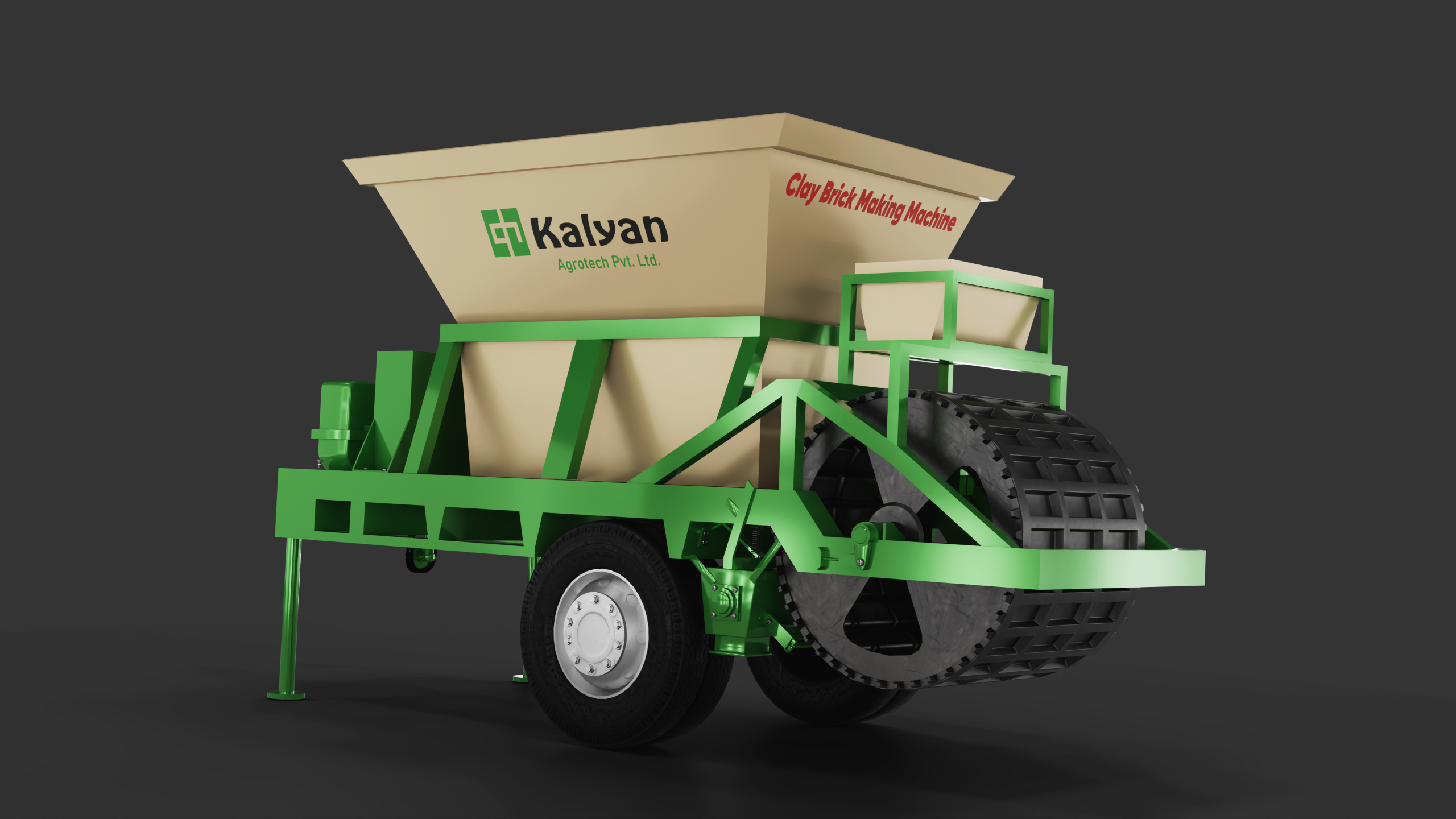


Clay preparation is one of the most important stages in brick manufacturing. Before clay reaches the brick-making machine, it needs to be properly processed, mixed, and prepared for molding. Poorly prepared clay can lead to inconsistent brick formation, cracks, uneven surfaces, and higher production waste.
Proper clay preparation for bricks helps create a consistent and workable clay mixture, making the molding and subsequent production stages more efficient. In this guide, we will explain why clay preparation matters, the main steps involved, and how proper clay processing can contribute to better brick quality.
What Is Clay Preparation for Bricks?
Clay preparation for bricks is the process of treating and conditioning raw clay before it is molded into bricks.
Raw clay may contain stones, lumps, roots, debris, or other unwanted materials. It may also have uneven moisture content, making it difficult to achieve consistent molding.
The preparation process generally involves:
- Removing unwanted materials
- Breaking down large clay lumps
- Grinding or crushing the clay
- Adding and distributing water
- Mixing and kneading the material
- Removing trapped air
- Preparing the clay for molding
The objective is to create a smooth and consistent clay mass that can be formed into uniform bricks.
Why Is Clay Preparation Important for Brick Quality?
1. Helps Achieve Uniform Brick Formation
Properly prepared clay has a more consistent texture and moisture level. This makes it easier for the brick-making machine to form bricks with consistent dimensions and shapes.
Uniform formation is important for maintaining consistent brick quality throughout production.
2. Improves Clay Consistency
Raw clay can contain different particle sizes and moisture levels. Proper clay processing helps distribute the material more evenly.
A consistent clay mixture allows the molding process to operate more smoothly and can reduce variations between individual bricks.
3. Helps Reduce Cracks and Defects
Improperly prepared clay may contain air pockets, large lumps, or uneven moisture. These conditions can contribute to defects during drying and firing.
Proper preparation helps create a more workable clay mass and can reduce the possibility of common production issues.
4. Supports Better Brick Strength
The quality of the clay mixture influences the quality of the molded brick. Properly processed clay creates a more consistent structure before drying and firing.
This can contribute to producing stronger and more durable bricks when the complete manufacturing process is properly controlled.
5. Reduces Material Waste
Poor clay preparation can result in rejected or defective bricks. Processing the raw material properly before molding can help manufacturers reduce unnecessary material loss.
Lower waste can also contribute to more efficient use of raw materials and production resources.
Main Steps in Clay Preparation for Bricks
The exact preparation process can vary depending on the type of clay and manufacturing setup, but several stages are commonly important.
Step 1: Clay Selection
The first step is selecting suitable clay for brick manufacturing. The properties of the available raw material should be evaluated before processing.
Step 2: Removal of Impurities
Stones, roots, debris, and other unwanted materials should be removed from the clay before further processing.
Step 3: Crushing and Grinding
Large clay lumps can be reduced using suitable crushing or grinding equipment. A soil grinder machine or clay crusher can help prepare the material for more consistent mixing.
Step 4: Mixing With Water
Water is added according to the requirements of the clay. Proper moisture distribution helps create a workable material for molding.
Step 5: Mixing and Kneading
A clay mixer machine or pug mill can thoroughly mix and knead the prepared material. This helps improve consistency and prepare the clay for brick formation.
Step 6: Air Removal
Removing trapped air from the clay can help improve its consistency before molding and reduce potential defects.
Step 7: Molding
Once the clay has reached the required consistency, it can be transferred to the brick-making machine for shaping.
How Clay Processing Affects Brick Quality
The relationship between clay preparation and finished brick quality can be understood through the production chain:
Raw Clay → Crushing/Grinding → Mixing → Kneading → Molding → Drying → Firing
Each stage contributes to the final product.
If raw clay is not properly prepared, problems can carry into later stages. On the other hand, consistent preparation gives the brick-making process a better starting point.
Common Clay Preparation Problems
Brick manufacturers may face several challenges when clay is not adequately prepared.
Uneven Moisture
Uneven water distribution can make some parts of the clay too dry while others are too wet, affecting molding consistency.
Large Clay Lumps
Large lumps can prevent the material from mixing properly and may create irregularities during brick formation.
Impurities in Clay
Stones and other unwanted materials can interfere with the molding process and contribute to defective bricks.
Trapped Air
Air pockets inside the clay can affect its consistency and may contribute to defects during subsequent processing.
Inconsistent Mixing
Poor mixing can result in variations in the clay mixture, affecting the uniformity of molded bricks.
Equipment Used for Clay Preparation
Modern brick manufacturing units can use different types of machinery to improve clay preparation.
Soil Grinder Machine
A soil grinder machine helps break down soil and clay lumps into smaller particles, preparing the raw material for mixing.
Clay Mixer Machine / Pug Mill
A pug mill thoroughly mixes and kneads clay with water and other materials to create a more consistent mixture for molding.
Brick Making Machine
After preparation, the processed clay is shaped into bricks using an appropriate brick-making machine.
Using suitable equipment at each stage can help manufacturers create a smoother and more consistent production workflow.
Benefits of Proper Clay Preparation
Effective clay preparation for bricks can provide several advantages:
- More consistent clay texture
- Better brick formation
- Improved production efficiency
- Reduced material waste
- Fewer processing defects
- Better moisture distribution
- Smoother machine operation
- More uniform finished bricks
The exact results depend on the clay type, machinery, production process, and control of drying and firing conditions.
How to Improve Clay Preparation in a Brick Factory
Brick manufacturers looking to improve their preparation process should focus on the complete workflow rather than a single machine.
Analyze Your Raw Clay
Understand the characteristics and consistency of the clay available at your site.
Use Suitable Grinding Equipment
If the clay contains large lumps, appropriate grinding or crushing equipment can help prepare it for mixing.
Maintain Proper Moisture
Water should be distributed consistently according to the requirements of the clay and production process.
Use an Efficient Clay Mixer
A reliable pug mill or clay mixer can improve the consistency of the prepared material.
Maintain Your Machinery
Regular inspection and maintenance help keep preparation equipment operating efficiently.
Monitor the Complete Production Process
Clay preparation is only one part of brick manufacturing. Molding, drying, and firing should also be properly managed to achieve consistent results.
Conclusion
Proper clay preparation for bricks provides a strong foundation for consistent brick manufacturing. Removing impurities, reducing clay lumps, controlling moisture, mixing thoroughly, and preparing the material correctly can help improve the molding process and reduce production challenges.
For brick manufacturers, investing in appropriate clay processing equipment such as soil grinders, clay mixers, and pug mills can help create a more efficient production workflow.
Ultimately, better clay preparation means giving the brick-making process a more consistent raw material—an important step toward producing stronger, more uniform, and reliable bricks.
Frequently Asked Questions
Why is clay preparation important for brick manufacturing?
Clay preparation helps create a consistent and workable material for molding, which can support uniform brick formation and reduce production defects.
How does clay processing improve brick quality?
Proper clay processing can improve material consistency, moisture distribution, and workability, helping the molding process produce more uniform bricks.
Which machines are used for clay preparation?
Common equipment includes soil grinders, clay crushers, clay mixer machines, and pug mills, depending on the raw material and production requirements.
Can poor clay preparation affect brick strength?
Yes. Inconsistent clay preparation can contribute to defects and variations in the finished product. Proper preparation provides a more consistent material for subsequent drying and firing.
What is the role of a pug mill in brick manufacturing?
A pug mill mixes and kneads clay with water and other materials to create a consistent clay mass suitable for molding into bricks.